

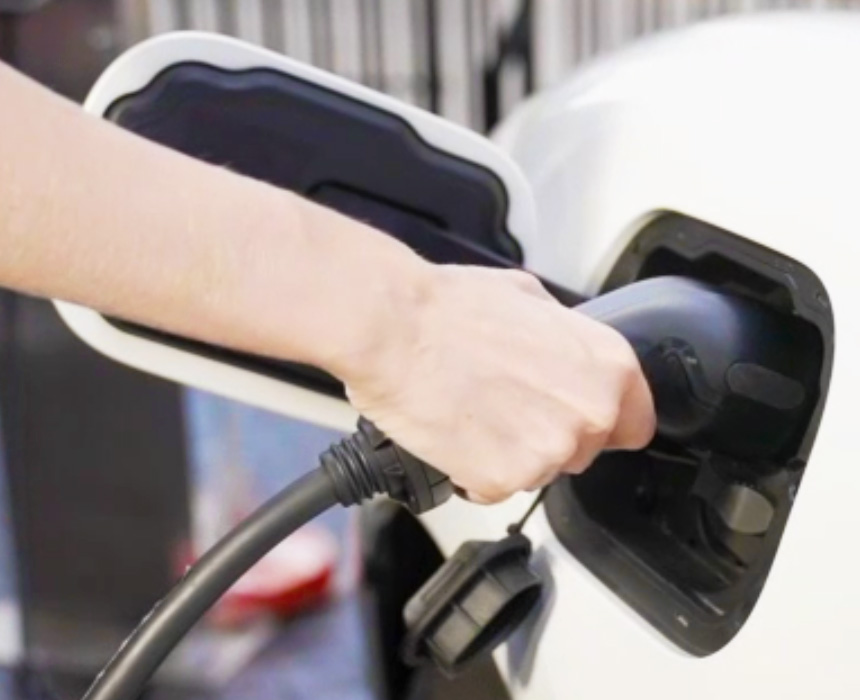
Integration of Electric Vehicles into the Global Energy System
Electric vehicles (EVs) represent a transformative shift not only in the transport sector but also in the global energy infrastructure. Aimed at reducing reliance on fossil fuels, cutting carbon emissions, and supporting sustainable urbanization, the integration of EVs into the energy system has become a central focus of modern energy policies.
Smart Grids and Flexible Energy Management
The increasing adoption of EVs leads to fluctuations in energy demand. Smart grid integration plays a crucial role in maintaining supply-demand balance. Through Vehicle-to-Grid (V2G) technology, EVs function not only as consumers but also as energy providers. During peak demand, EV batteries can feed electricity back into the grid, improving system stability and efficiency.
Integration with Renewable Energy
The variability of solar and wind energy creates challenges for energy systems. EVs act as mobile storage units, helping to balance these fluctuations. For example, surplus solar power generated during the day can be stored in EV batteries and later released into the grid during evening peak hours.
Economic and Policy Dimensions
EV integration is not solely a technical issue; it also encompasses economic and political dimensions. Flexible pricing models, carbon taxation, and government incentives accelerate the transition. According to the International Energy Agency (IEA), over 200 million EVs are expected to be on the roads by 2030, profoundly shaping energy demand management strategies.
Challenges and Future Outlook
-
Infrastructure Investments: Scaling up high-power charging stations requires significant upgrades to existing grids.
-
Standardization: Lack of universal charging protocols and data-sharing standards slows integration.
-
Cybersecurity: Digitalization of smart grids increases exposure to cyber threats.
Looking ahead, AI-driven grid optimization, blockchain-based energy trading, and local microgrids will accelerate the integration of EVs into the global energy system.
Conclusion
The integration of EVs into energy systems brings not only environmental benefits but also strengthens energy security, economic efficiency, and sustainable development. In the future, EVs will no longer be merely vehicles but active players in the global energy chain.

Enerji ve Teknolojinin Kesişme Noktası: Velmor Teknoloji
Velmor Teknoloji A.Ş., geleceğin mobilite ekosistemini bugünden inşa eden bir mühendislik üssüdür. Sadece yazılım geliştirmekle kalmıyor; enerji depolama sistemlerinden batarya yönetim teknolojilerine, akıllı şarj altyapılarından sürdürülebilir enerji yönetimine kadar geniş bir spektrumda çözümler üretiyoruz.
ChargenOS'un yaratıcısı olan ekibimiz, enerji sektörünü sadece takip etmekle kalmıyor, geliştirdiği algoritmalar ve donanım entegrasyonlarıyla sektörün standartlarını belirliyor. Ürettiğimiz her içerik, sahadaki derin teknik deneyimimizin ve sürdürülebilir bir gelecek vizyonumuzun bir parçasıdır.

